Skip to content
VR Patil Vividh VidyuthNirman Private LimitedSince 1985

VR Patil Vividh Vidyuth Nirman Private LimitedSince 1985

PoweringProgress.

Engineering the infrastructure behind the power network — since 1985.

01Bengaluru

Empowering progress, since 1985.

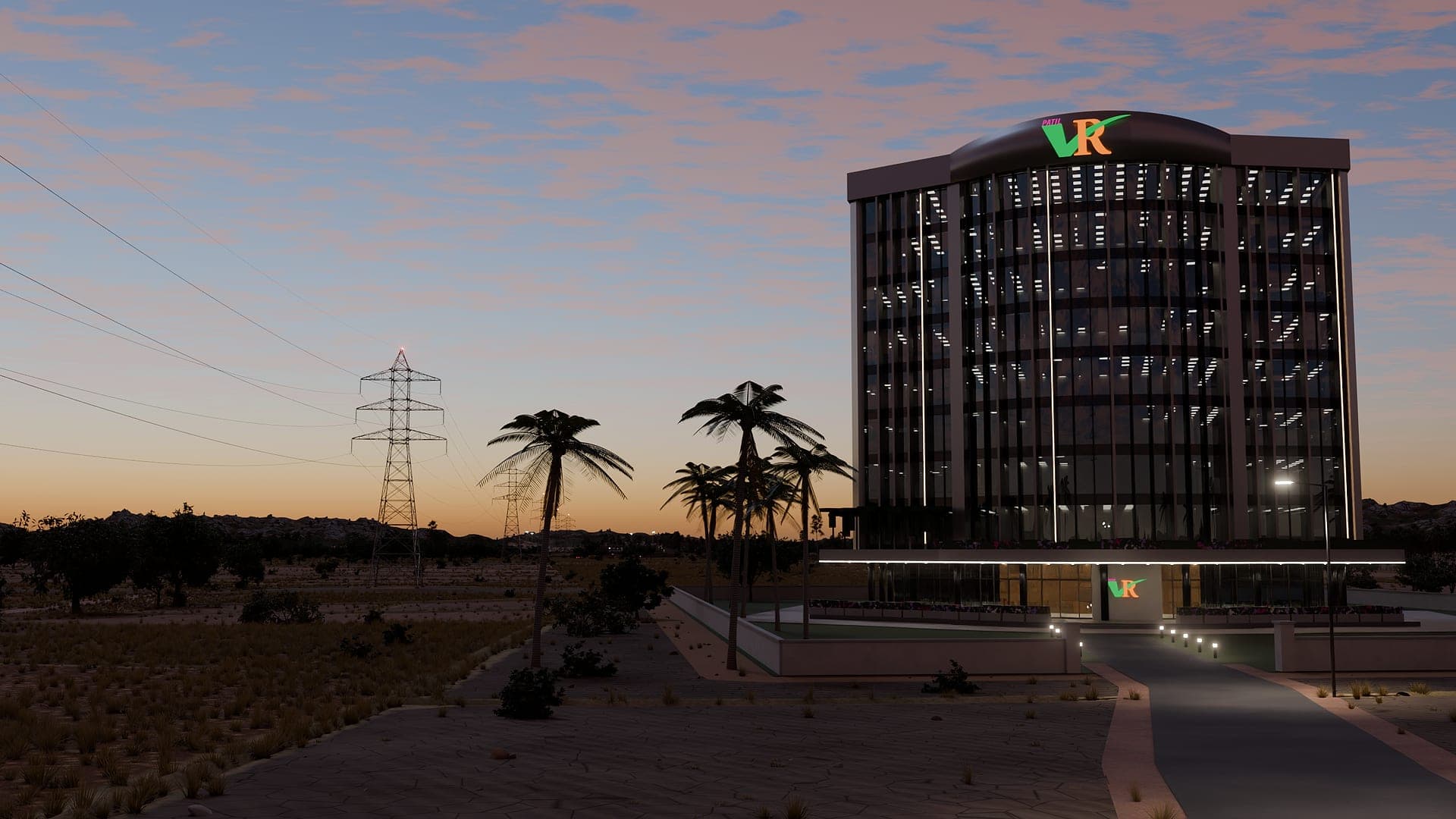
VR Patil Vividh Vidyuth Nirman Private Limited — an engineering organisation that builds the infrastructure behind Karnataka's power network, from the office in Bengaluru.

Since 1985 · 41+ years on the grid

Building what comes next.

VR Patil Vividh Vidyuth Nirman Private Limited — headquartered in Bengaluru, with an office at Munirabad, Koppal District, Karnataka. From 220 kV to 11 kV, line to load.

02Who we are

Engineering heritage. Infrastructure scale.

Since 1985, VR Patil Vividh Vidyuth Nirman Private Limited has engineered and built the power network Karnataka runs on — from the 11 kV feeder to the 220 kV grid sub-station.

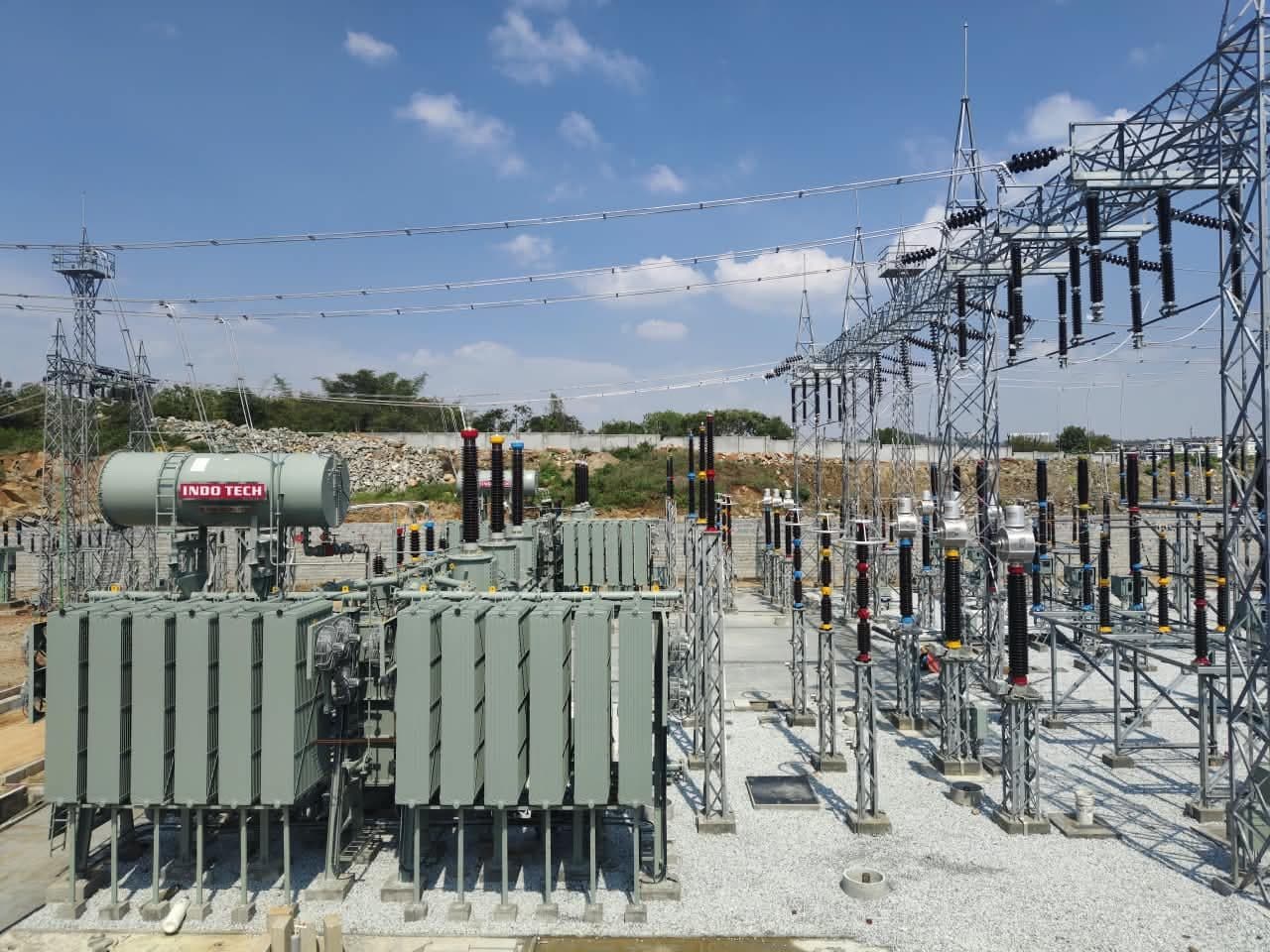
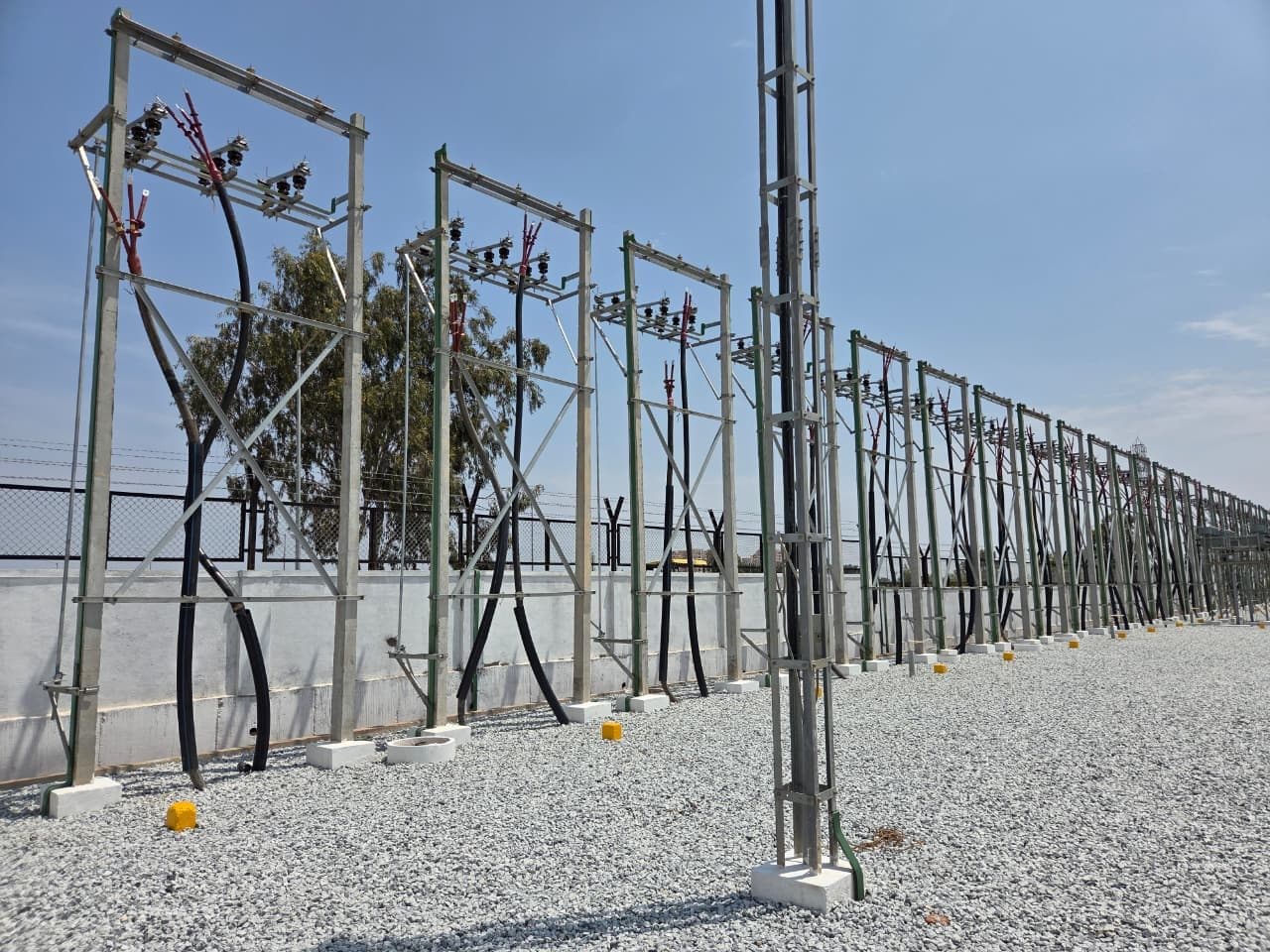
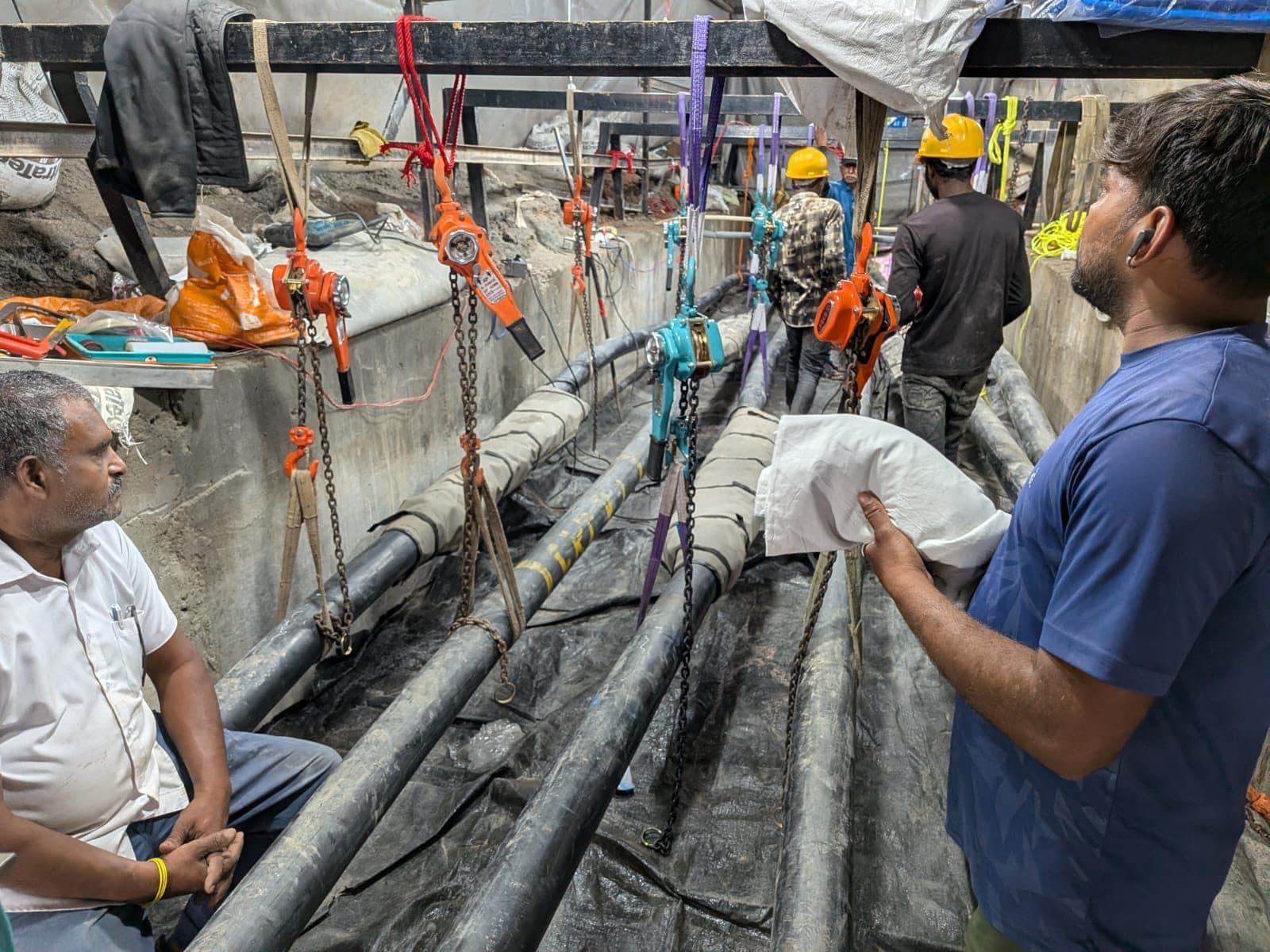
From the power grid to power generation: transmission lines, grid and industrial sub-stations, distribution networks, underground cable, metering, solar power generation and civil works — for the state's utilities and agencies, and for industry of every kind.

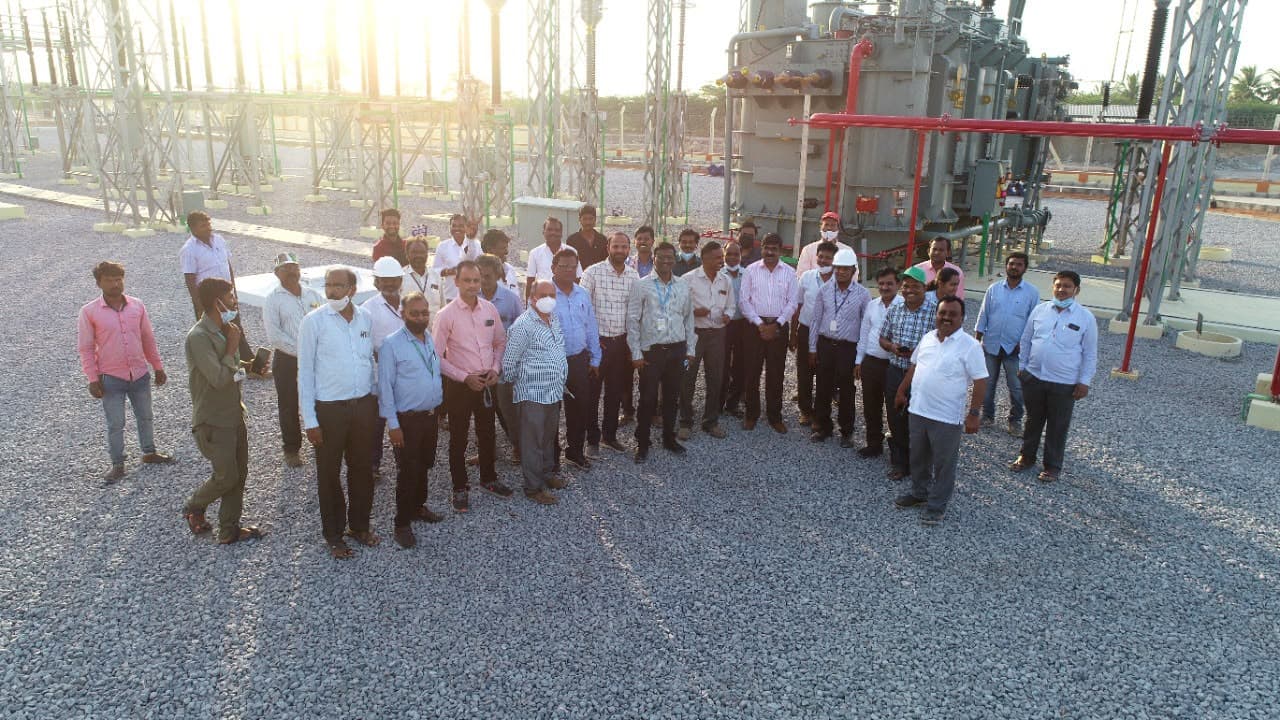
The team in the switchyard, a power transformer behind them
Established
198541+ years on the grid
Projects executed
180+across 20+ districts of Karnataka
Voltage
11–220kV
Headquarters
BengaluruCorporate headquarters · and an office at Munirabad, Koppal

Who we serve8+ organisations · every industry

  • KPTCL
  • BESCOM
  • GESCOM
  • HESCOM
  • MESCOM
  • CHESCOM
  • KPCL
  • KREDL
  • Every industry, public and private

04What we aim to build

Building what comes next.

Infrastructure that outlasts the tender that commissioned it — for industrial growth, for reliable public supply, and for the power generation that comes after the power grid.

  1. 01

    Resilient infrastructure

    Lines and stations engineered to hold under load, weather and decades of service.

  2. 02

    Reliable power systems

    Sub-stations commissioned to protect, switch and transform without incident, year after year.

  3. 03

    Scalable energy networks

    From 11 kV feeders to 220 kV grid stations — networks built to be extended, not replaced.

  4. 04

    Sustainable power generation

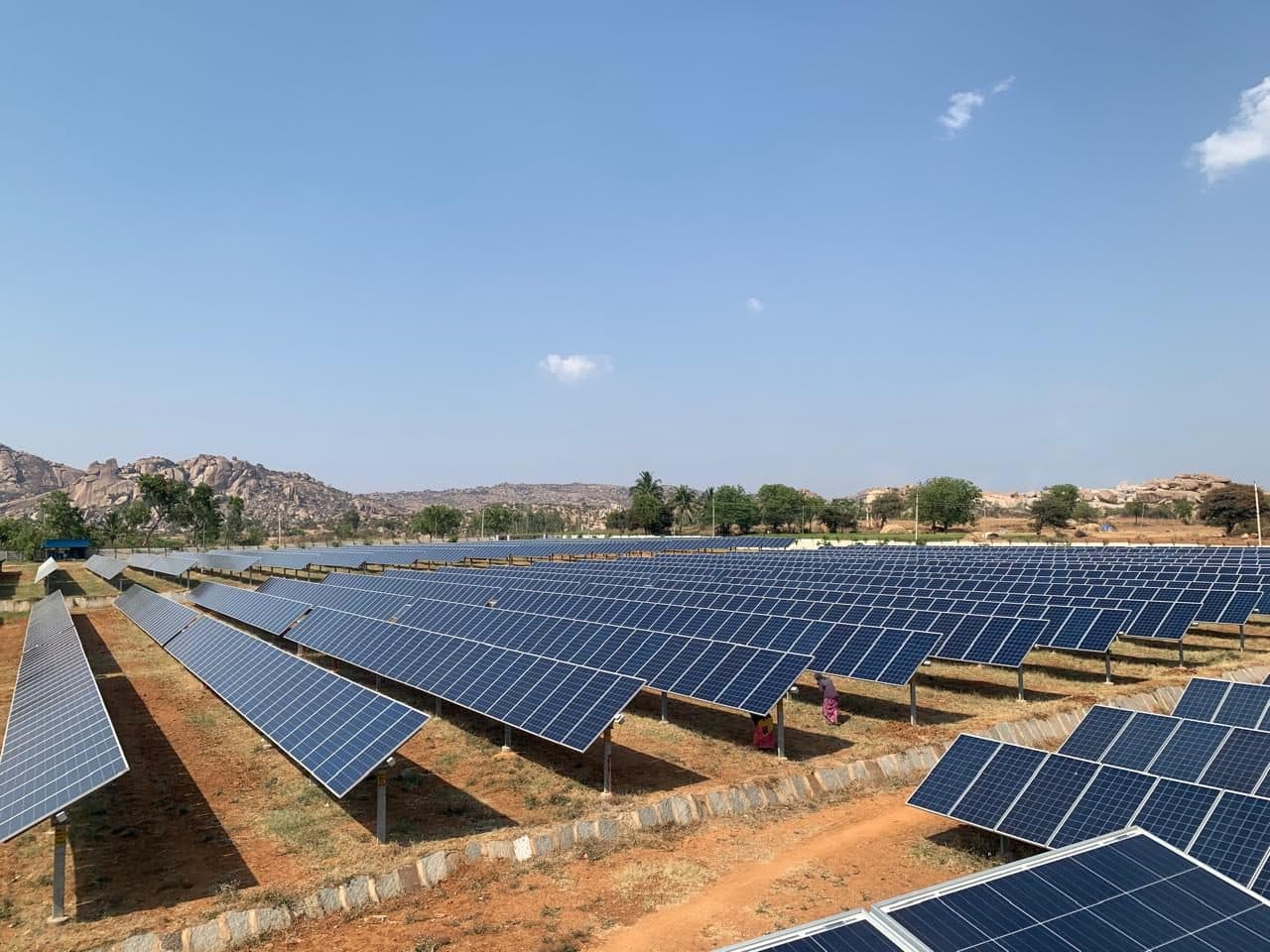
    Solar power generation built with grid discipline, feeding the same networks the company constructs.

  5. 05

    Technology-enabled execution

    DLMS metering, EHV underground cable and turnkey delivery under one contract.

  6. 06

    Long-term partnerships

    Utilities, agencies and industrial clients who return for the next package.

Vision

In the company's own words.

To be a leader in the electrical and renewable energy sectors by embracing cutting-edge technologies, maintaining excellence, and contributing to India's infrastructure development.

05The scale of the work

Four decades. One grid, still growing.

Accumulated totals, with a plus because the count has not stopped — and beneath them the figures the project record establishes.

  • Projects executed

    Accumulated total

    180+

  • Electric poles manufactured

    By Pooja Cement Works

    4Lakh+

  • Line and network execution

    Accumulated total

    6,500KM+

  • Conductors laid

    Accumulated total

    40,000KM+

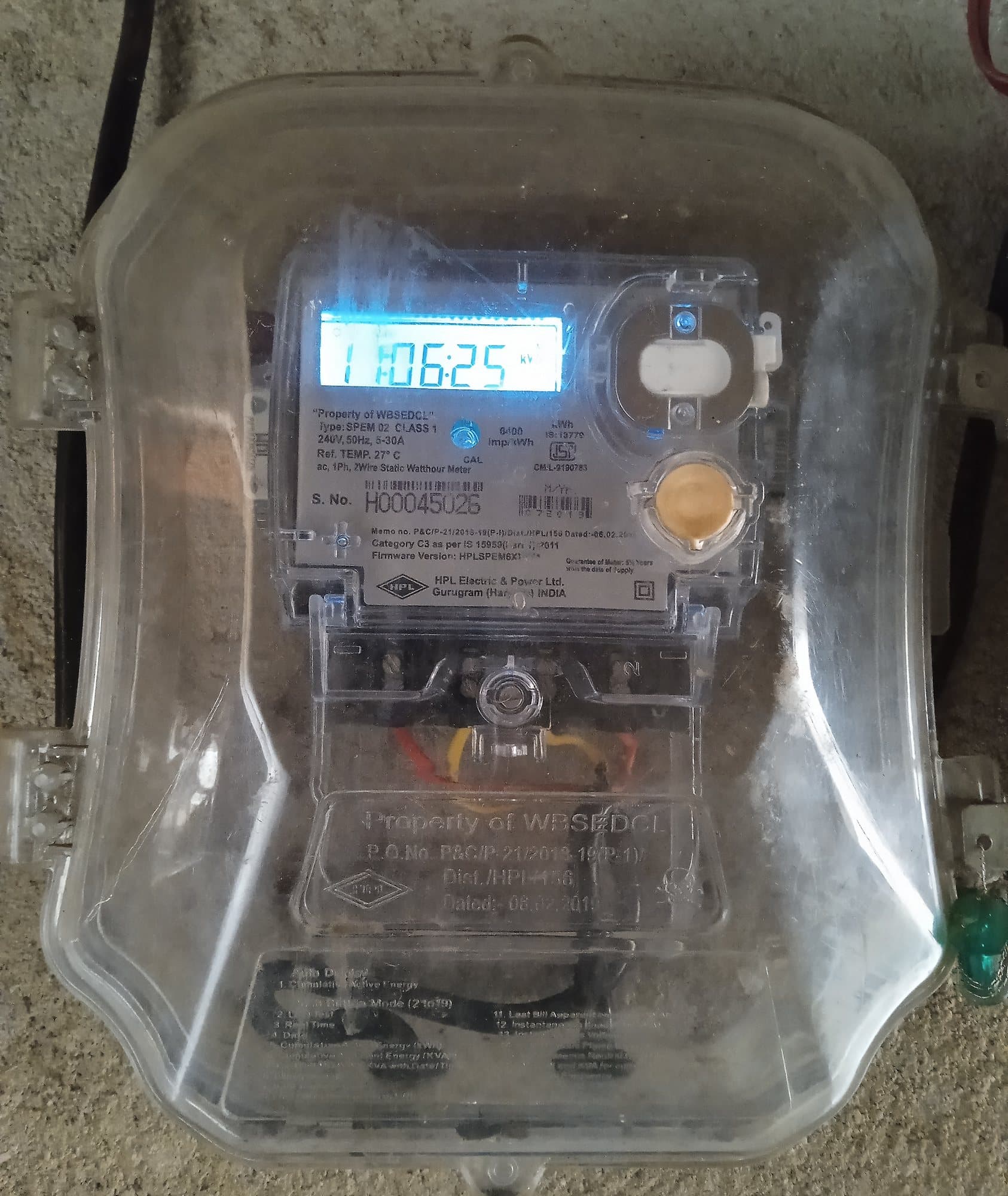
  • Meters replaced

    Accumulated total

    9Lakh+

  • Years of operation

    Founded 1985

    41+

  • Voltage range

    Line to load

    11–220kV

  • Districts of Karnataka

    Where the work stands

    20+

06Board of directors

The board.

V R Patil, who started the practice in 1985, and S R Patil lead the company and take its decisions, with the directors beside them. Choose a director to open their profile.

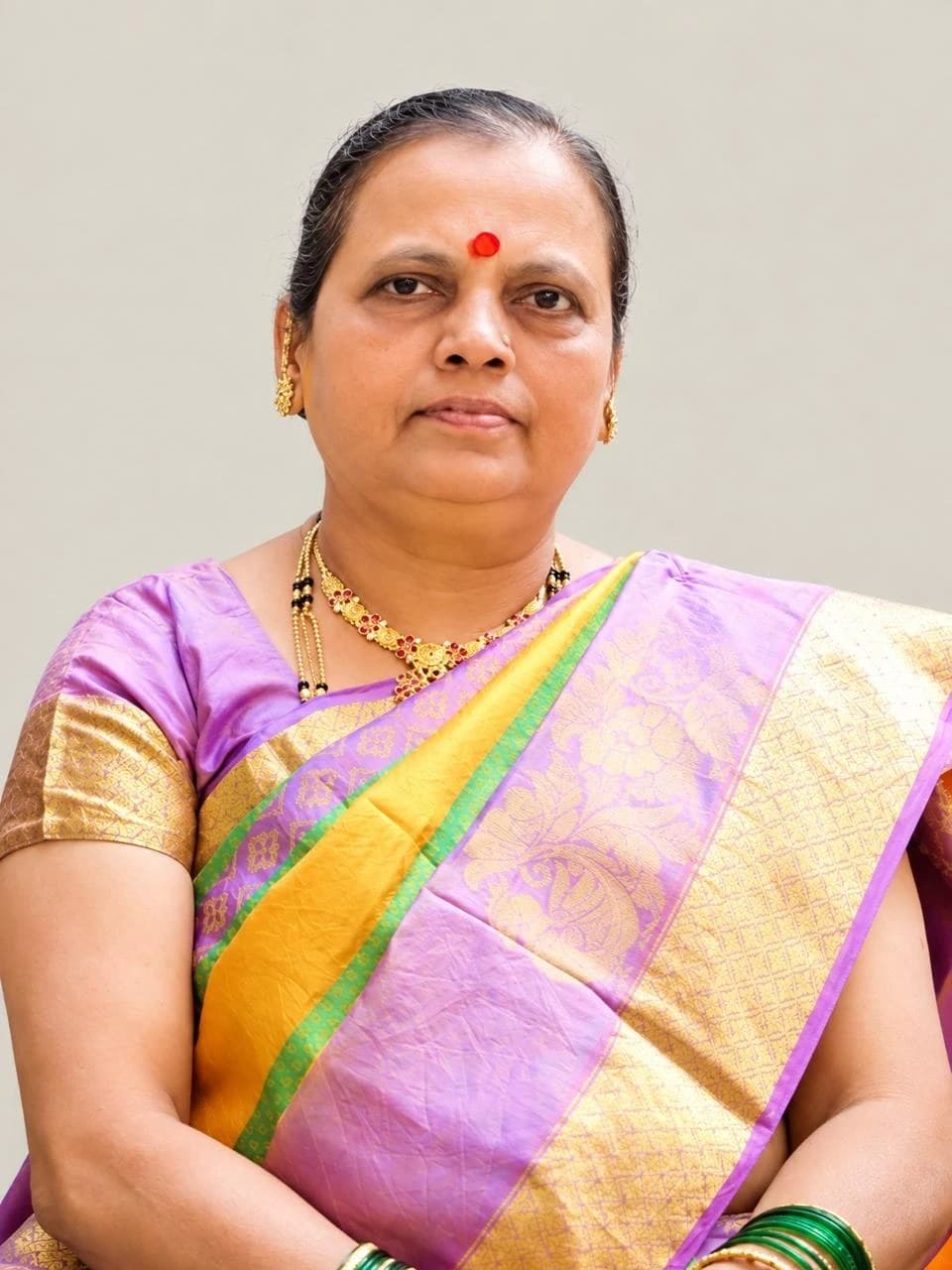
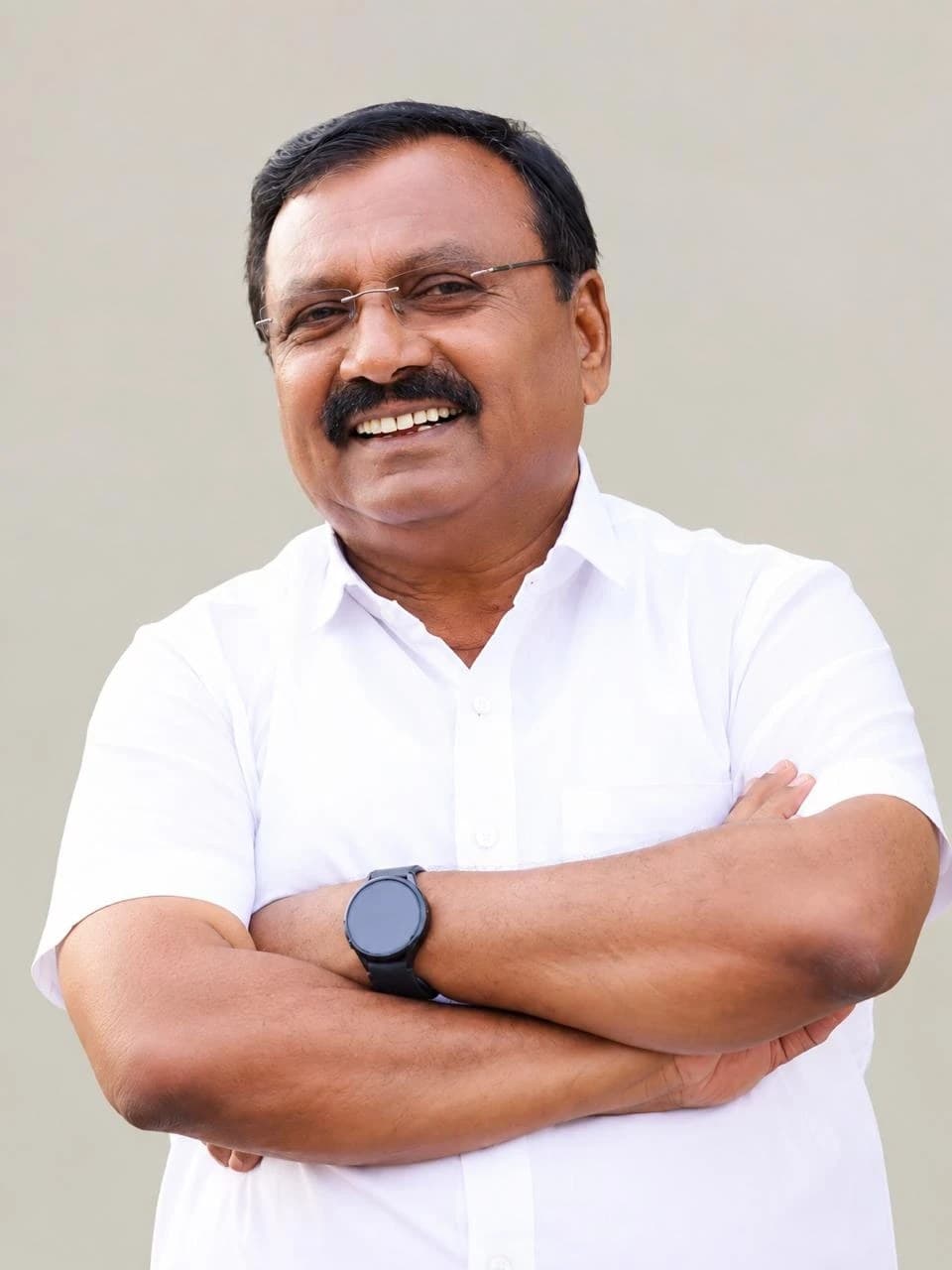
Portrait of Mr. V R Patil

Founder · Since 1985

Mr. V R Patil

Founder, Managing Director

Leads the company with S R Patil, from operations on site to its business terms; the two of them take the company's decisions.

The journey

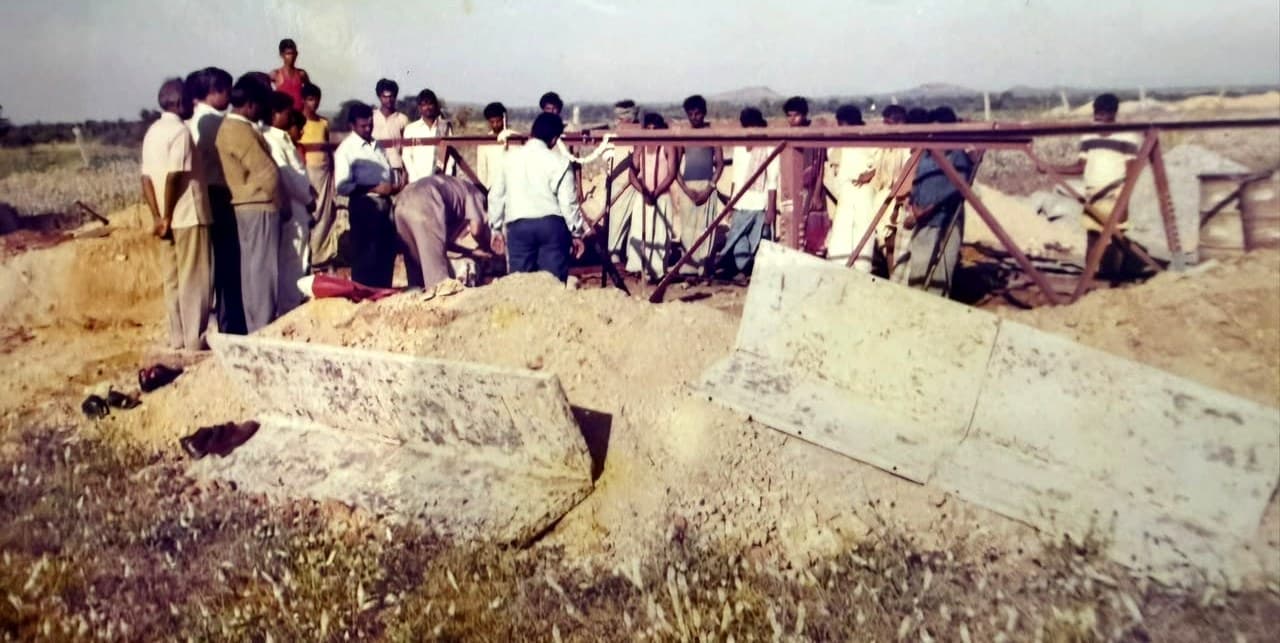
Established the practice in 1985 as a proprietorship at Hosalingapur, Munirabad, taking electrical and civil contract work in Koppal district and across north Karnataka.

Reorganised it as M/s VR Patil & Associates in 2009, and incorporated VR Patil Vividh Vidyuth Nirman Private Limited in 2013.

Experience

  • Four decades leading the company from 11 kV feeders and civil contracts to 220 kV grid sub-stations and metropolitan underground networks.
  • Managing Director of the private limited company since its incorporation.
Showing the profile of Mr. V R Patil, Founder, Managing Director.

The rest of the board

  • Portrait of Mr. S R Patil02

    Co-Founder, Executive Director

    View profile

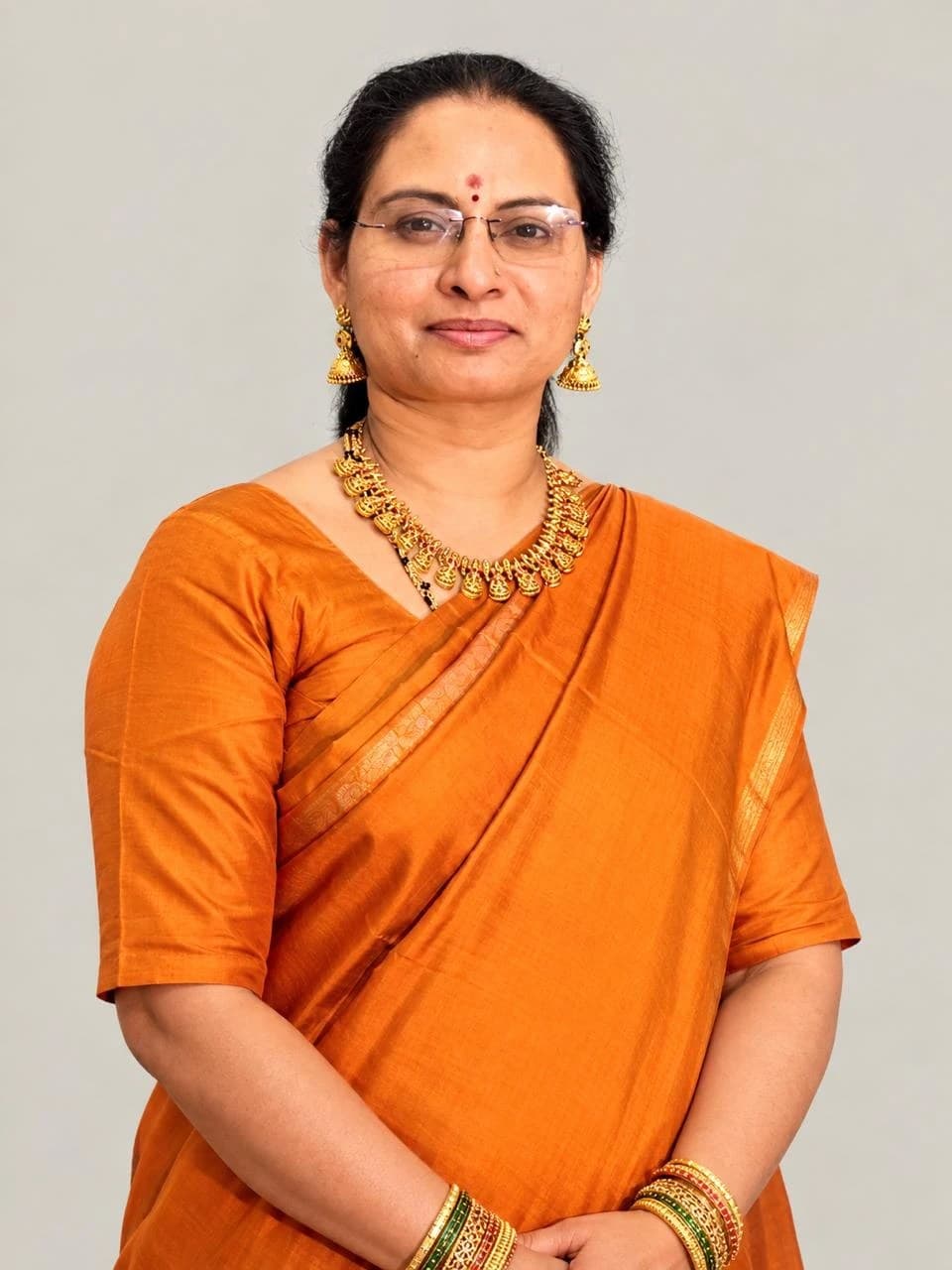
  • Portrait of Smt. Laxmi Devi Patil03

    Director

    View profile

  • Portrait of Smt. Neelambika Patil04

    Director

    View profile

  • Portrait of Mr. Kirankumar Patil05

    Director

    BBA, Finance & Marketing

    View profile

  • Portrait of Ms. Pooja S. Patil06

    Director

    B.Tech, EEE

    View profile

07Voltage range

Two networks. 11 kV to 220 kV.

Karnataka steps its power down two ways — through 110 kV and 33 kV across most of the north, through 66 kV across most of the south. The company’s record carries works at every one of these classes.

Across most of the north, the grid steps down twice before the feeder — 220 kV grid stations feed the 110 kV network, and 110 kV stations step down through 33 kV to the 11 kV feeders.

Elevation · North Karnataka

  1. 220kV

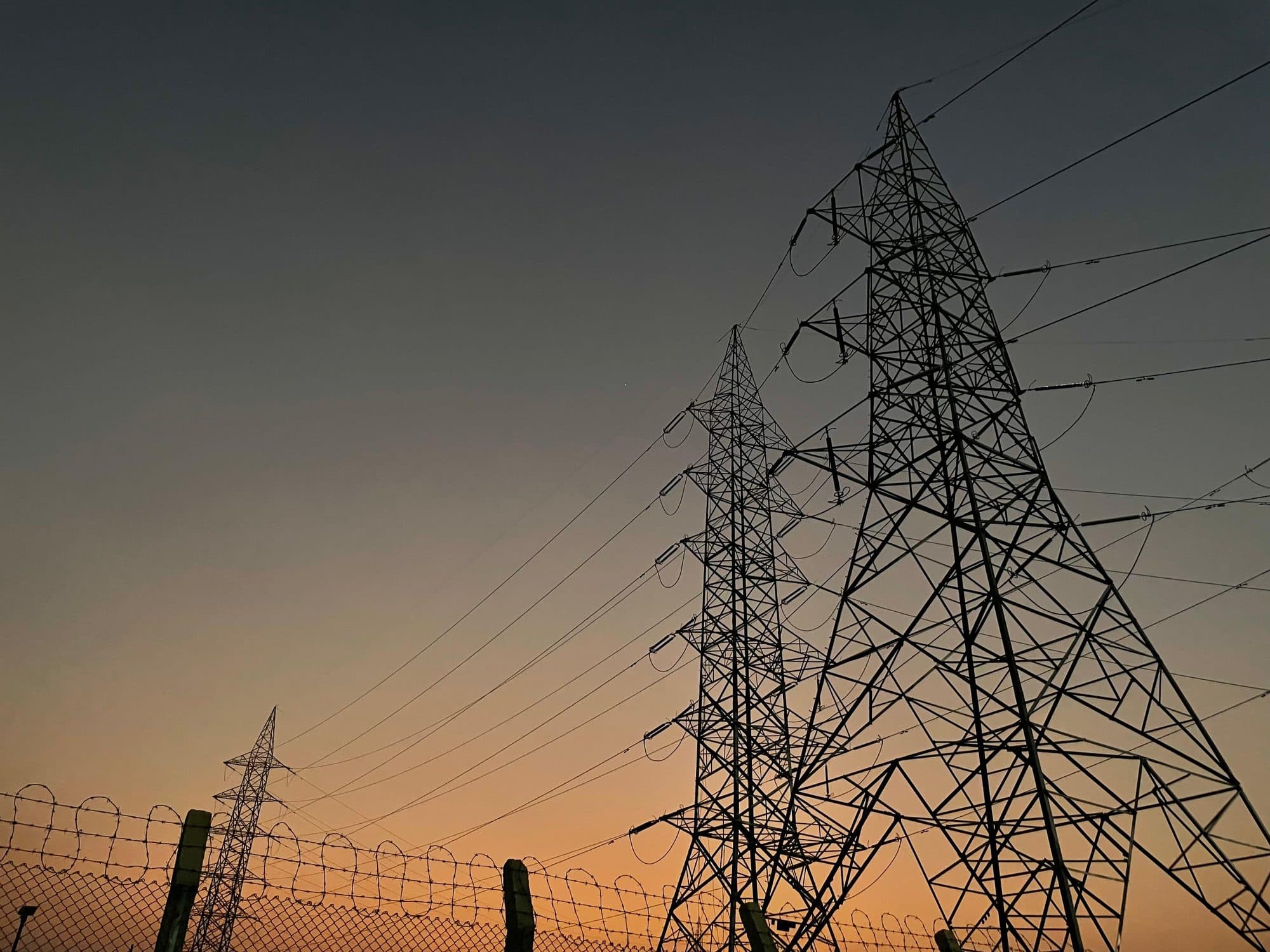
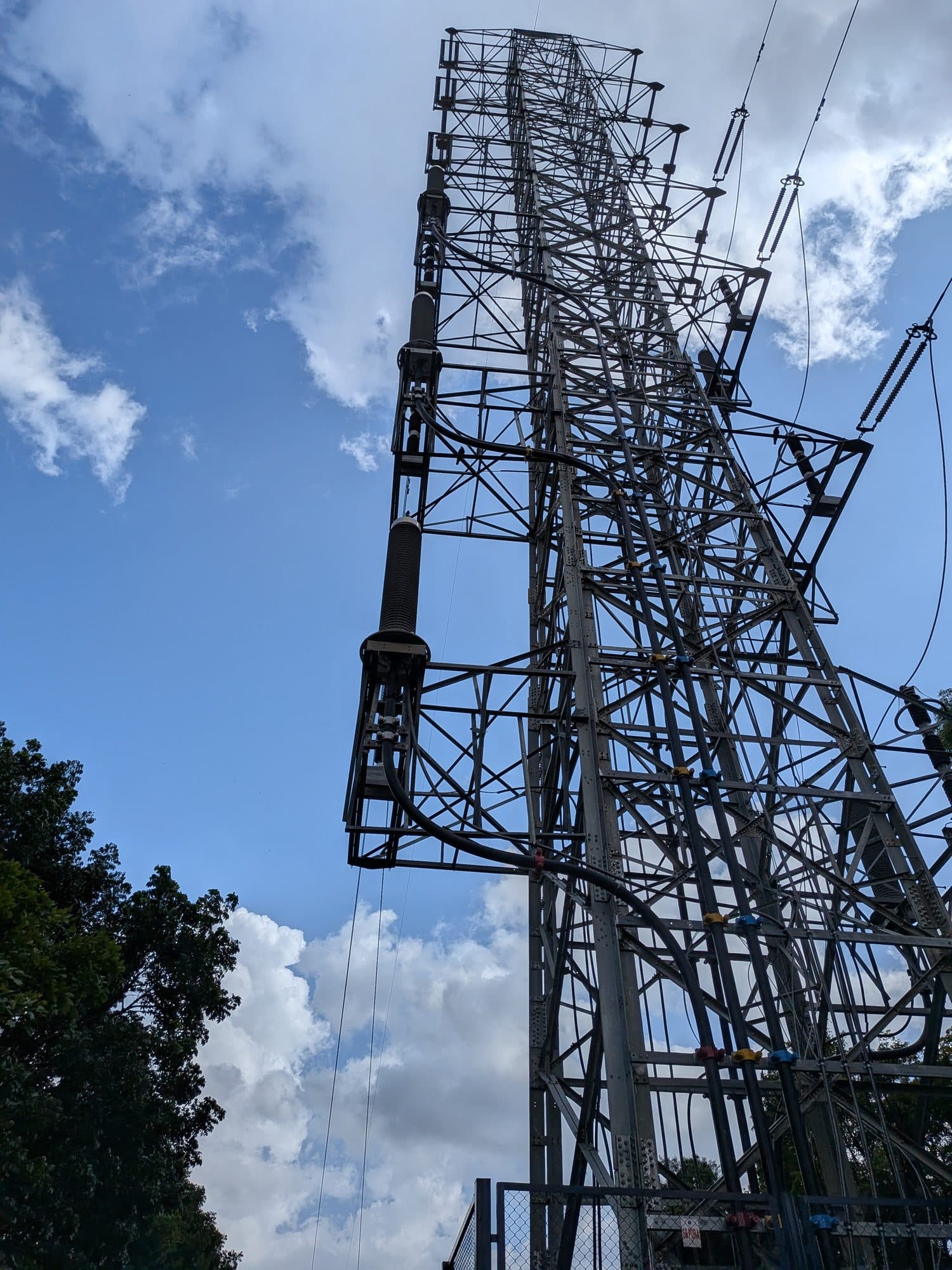
    Lattice tower, 30–50 m

    13–14 discs

    7.0 m minimum ground clearance

    25 projects at 220 kV
  2. Transformation 220/110 kV

    110kV

    Lattice tower

    8–9 discs

    6.1 m minimum ground clearance

    22 projects at 110 kV
  3. Transformation 110/33 kV

    33kV

    Pole or lattice tower

    3 discs

    5.2 m minimum ground clearance

    35 projects at 33 kV
  4. Transformation 33/11 kV

    11kV

    Pole line

    1 pin insulator

    5.2 m minimum ground clearance

    13 projects at 11 kV

The two step-down patterns are the predominant ones in each part of the state, not a boundary: KPTCL runs stations of both kinds, and where the regions meet they stand side by side. The classes, and the project counts under them, are from the company’s record.

5 of the works on record were carried out inside a station of a higher class than the work itself, the highest being a 400 kV station. A host station’s class is the station’s own: each of those records is counted at the class of the work, and at no higher class.

Indicative elevation. Vertical scale is true, with gridlines at 5 m; horizontal spacing is not. Insulator discs are at 145 mm pitch. Structure type and height are typical for the class, not figures from the project record.